Chlorine and Kids: How Pool Water Affects Skin, Hair, and Eyes (And What Parents Can Do)
Swimming is one of the healthiest and most confidence-building activities for children from babies splashing for the first time to toddlers learning early water skills. But many parents pause before enrolling, wondering: Is chlorine safe for my child’s skin, hair, and eyes?
It’s a fair question. Chlorine plays an important role in keeping pools clean and safe, but young children have more sensitive skin, eyes, and hair than adults. The good news? With the right knowledge and simple habits, children can enjoy swimming safely and comfortably without irritation.
This guide explains how chlorine affects kids, what’s normal, and what parents can do to protect their child before and after swim lessons.

💦 Why Pools Use Chlorine in the First Place
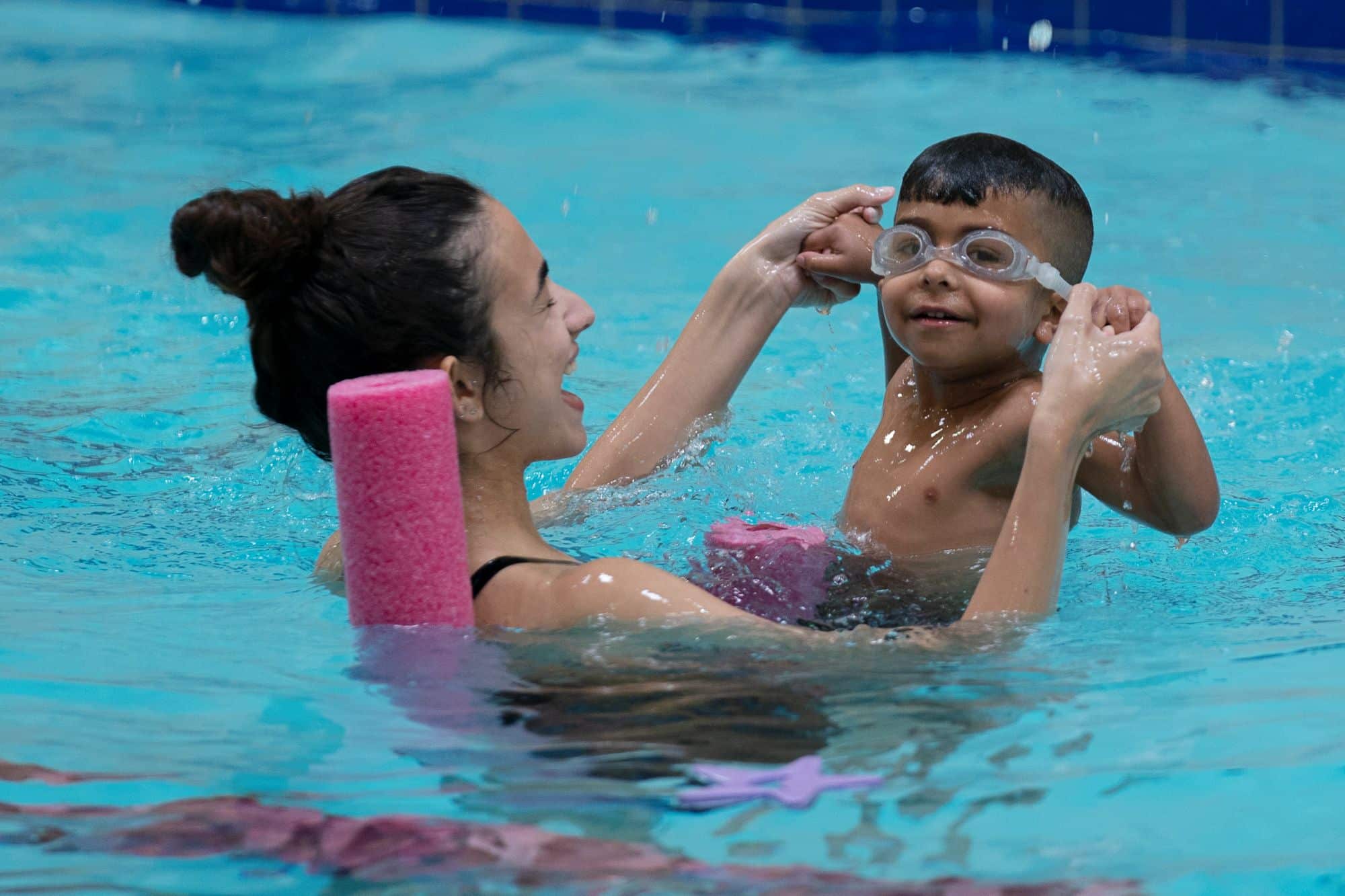
Chlorine is used in pools to kill bacteria, viruses, and germs that can cause illness. For swim schools, especially those working with babies and young children, proper water sanitation is essential.
Well-maintained pools carefully balance chlorine levels to keep water clean without being harsh. Problems usually arise not from chlorine itself, but from poor pool maintenance or lack of post-swim care.
At quality swim schools, water chemistry is monitored daily to ensure it stays within child-safe ranges.
🧒 How Chlorine Can Affect Kids
Children’s skin and hair are thinner and more delicate than adults’, which means they may notice effects sooner especially with frequent swimming.
1. Skin Dryness or Mild Irritation
Chlorine can strip natural oils from the skin, sometimes leading to:
- Dry patches
- Mild redness
- Itchy or tight-feeling skin
This is more common in children with sensitive skin or eczema, but it’s usually temporary and manageable.
2. Hair Dryness or Texture Changes
For toddlers and young children, chlorine exposure may cause:
- Dry or straw-like hair
- Slight color changes (especially in lighter hair)
- Tangling
Hair damage isn’t permanent it’s simply the result of chlorine removing moisture from the hair shaft.
3. Eye Redness or Sensitivity
Red eyes after swimming are often blamed on chlorine, but they’re usually caused by chloramines, which form when chlorine interacts with organic material in the water.
Symptoms may include:
- Mild redness
- Watery eyes
- Temporary sensitivity to light
In properly maintained pools, these effects are minimal and short-lived.
🛡️ What Parents Can Do to Protect Their Child
The best approach is prevention simple steps before and after swim lessons make a big difference.
🚿 Before Swimming: Rinse First
A quick shower before entering the pool helps skin and hair absorb clean water, reducing how much chlorinated water they soak up during the lesson.
This is especially helpful for babies and toddlers with sensitive skin.
🧴 Use a Gentle Barrier (Optional)
For children prone to dryness:
- A light layer of baby-safe moisturizer on exposed skin
- A leave-in conditioner for hair
Avoid heavy or greasy products less is more.
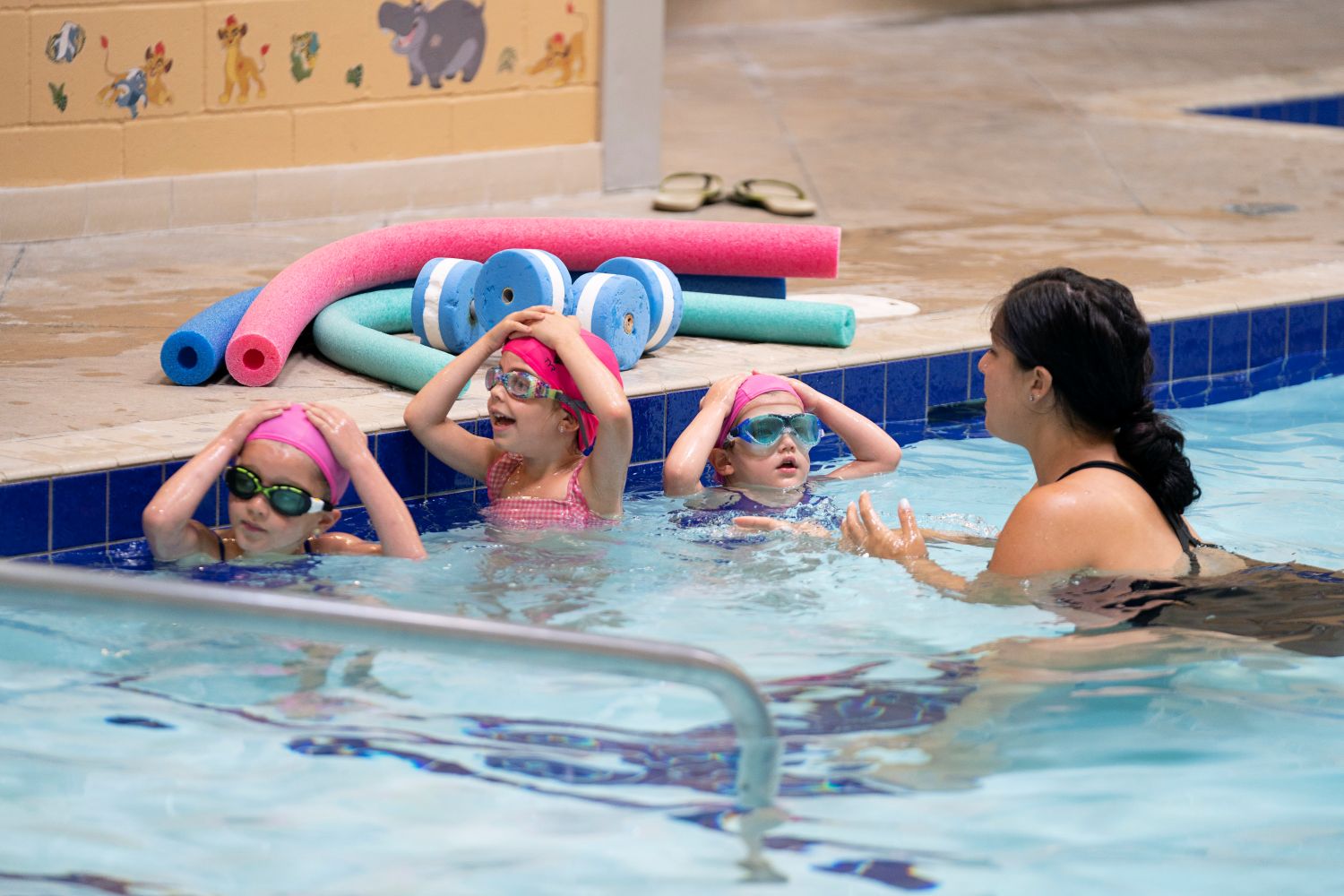
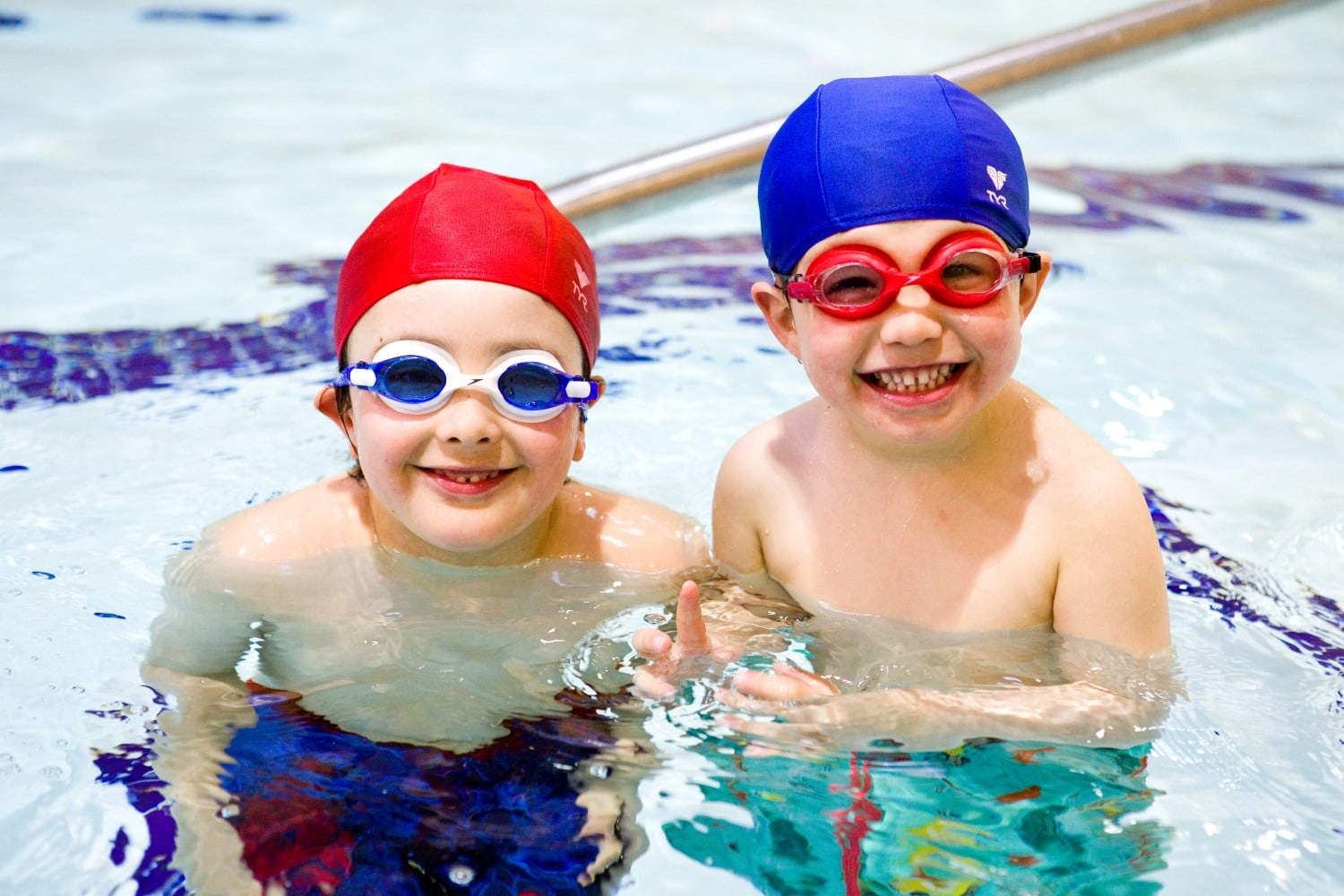
🏊 Goggles for Older Tots
For toddlers who are comfortable wearing them, goggles can:
- Reduce eye redness
- Improve comfort
- Build confidence during lessons
Babies usually don’t need goggles, but toddlers often enjoy them once introduced gently.
🚿 After Swimming: Rinse Thoroughly
Always rinse your child with fresh water after lessons to remove chlorine residue. Follow with:
- A mild, fragrance-free soap
- A gentle shampoo for kids
- Moisturizer applied while skin is still slightly damp
This single step prevents most chlorine-related issues.
🧺 Dry & Dress Warmly
Dry skin gently (don’t rub harshly), and dress children in soft, breathable fabrics. Keeping skin warm helps prevent post-swim irritation, especially in colder months.
🌱 What About Kids With Eczema or Sensitive Skin?
Many children with mild eczema still enjoy swim lessons comfortably.
Helpful tips:
- Moisturize immediately after swimming
- Avoid long pool sessions when skin is flaring
- Stick to consistent weekly lessons (skin adapts over time)
- Talk to your pediatrician if your child has severe eczema
In many cases, parents find that consistent swimming does not worsen skin issues when proper care is taken.
🌿 A Gentler Option: Why Pool Chemistry Matters for Kids
Not all pools are the same and for parents concerned about chlorine, water quality plays a major role in how children feel during and after swim lessons.
Felix’s Swim Schools uses advanced mild salt water pool chemistry, which is designed to be gentler on children’s skin, hair, and eyes. While chlorine is still present to keep water clean and safe, salt water systems allow for lower overall chlorine levels, resulting in a noticeably more comfortable swimming experience.
Many families notice fewer issues such as dry skin, red eyes, or strong pool odors. The water feels softer, has no harsh smell, and is often better tolerated by children with sensitive skin, allergies, or asthma. This makes a meaningful difference for babies and toddlers who are still adjusting to regular water exposure.
Salt water pools are also carefully monitored and balanced to maintain clean, clear water without irritation creating an environment that feels calmer, healthier, and more enjoyable for young swimmers. For many children, this gentler approach helps swimming remain a positive experience, encouraging confidence and consistency in lessons.
* Learn more about Felix’s advanced salt water pool chemistry here.
🏊 Why Swim Schools Matter More Than Pools
Not all pools are equal.
Well-run swim schools:
- Monitor chlorine and pH levels daily
- Maintain proper ventilation (reduces eye irritation)
- Clean filters regularly
- Adjust water chemistry for children’s programs
This is why structured swim schools are often gentler on kids’ skin and eyes than public or hotel pools.
The Benefits of Swimming Still Far Outweigh the Risks
With proper care, the benefits of swimming are significant:
- Stronger motor development
- Better coordination and balance
- Increased confidence
- Early water safety awareness
- Healthy physical activity
- Emotional regulation and calm
Chlorine concerns should never stop a child from learning to swim, especially when parents know how to protect their little swimmers.
Final Thoughts for Parents
A little dryness or redness doesn’t mean swimming isn’t right for your child it simply means their body is adjusting. With good pool maintenance and thoughtful post-swim routines, kids can enjoy swimming safely year-round.
Swimming should feel fun, comfortable, and confidence-building and with the right approach, it always can be.
People also ask:
1️⃣ Why do some pools feel harsher on kids than others?
Pool comfort depends on water balance, ventilation, and sanitation systems. Poorly balanced pools can cause dryness or eye irritation, while well-maintained pools with modern chemistry systems tend to feel gentler on children’s skin and eyes.
2️⃣ What is the difference between traditional chlorine pools and salt water pools?
Salt water pools still use chlorine to keep water safe, but they generate it in a different way. This allows for lower chlorine levels overall, which many families find results in softer-feeling water and less irritation.
3️⃣ Is salt water swimming better for babies and toddlers?
Many parents notice that babies and toddlers tolerate salt water pools more comfortably, especially those with sensitive skin or mild eczema. While every child is different, gentler water chemistry can make early swim experiences more pleasant.
4️⃣ Can pool water cause eye redness even if chlorine levels are safe?
Yes. Eye redness is often caused by chloramines, which form when chlorine mixes with organic material in the water. Proper ventilation and balanced water chemistry help reduce this effect significantly.
5️⃣ Should parents be concerned about long-term exposure to pool water?
When pools are properly maintained and children rinse after swimming, long-term issues are uncommon. Many children adapt well to regular swimming, especially when lessons are consistent and water quality is carefully monitored.
Categories:
Latest posts:
- Freestyle Swimming for Beginners: How to Swim Faster With Less Effort
- Chlorine and Kids: How Pool Water Affects Skin, Hair, and Eyes (And What Parents Can Do)
- Two Pools, One Swim School: How Separate Baby & Kids Pools Improve Learning in Midtown Toronto
- Top 7 Signs Your Baby Is Ready for Swim Lessons
- Swimming for Tots: A Parent’s Guide to Ages 1–4 in the Pool
LOCATIONS & SCHEDULES8 LOCATIONS IN THE GREATER TORONTO AREA TO SERVE YOU BETTER!
BEACHES
181 Broadview Ave, Toronto, ON M4M 2G3, Canada
Tue & Thu: 5:00PM – 9:00PM
Wed: 5:30PM – 8:30PM
Sat – Sun: 9:30AM – 2:30PM
Mon & Fri: Closed
DOWNTOWN
64 Baldwin St, Toronto, ON M5T 1L4, Canada
Mon – Thu: 4:30PM – 9:00PM
Sat – Sun: 9:30AM – 4:45PM
Tue & Fri: Closed
JUNCTION
315 Osler St, Toronto, ON M6N 2Z4, Canada
Mon – Wed: 4:30PM – 9:00PM
Fri: 4:30PM – 7:30PM
Sat – Sun: 9:30AM – 4:45PM
Thu: Closed
MARKHAM
205 Clayton Dr, Markham, ON L3R 7P3, Canada
Tue-Fri: 4:00PM – 9:00PM
Thu: 8:00AM-12:00PM
Thu: 4:00PM – 9:00PM
Sat – Sun: 9:00AM – 3:30PM
Mon: Closed
MIDTOWN
450 Blythwood Rd, Toronto, ON M4N 1A9
Mon – Fri: 4:30PM – 7:30PM
Sat : 9:30AM – 4:45PM
Sun: 2:15PM – 6:00PM
NORTH YORK
7026 Bathurst St, Thornhill, ON L4J 8K3, Canada
Mon – Wed: 4:30PM – 9:00PM
Sun: 9:30AM – 2:30PM
Thu – Sat: Closed
THORNHILL
8403 Yonge St, Thornhill, ON L3T 6R2, Canada
Mon – Fri: 4:00PM – 9:00PM
Sat – Sun: 9:30AM – 3:30PM
WOODBRIDGE
643 Chrislea Rd #2, Woodbridge, ON L4L 8A3, Canada
Mon – Fri: 4:00PM – 8:30PM
Sat : 9:30AM – 5:00PM
Sun: 9:30AM – 2:00PM
Felix’s Swim Schools is a leading swimming facility proudly serving Toronto, Vaughan, Richmond Hill, Concord, York, Scarborough, East York, and Etobicoke.


